
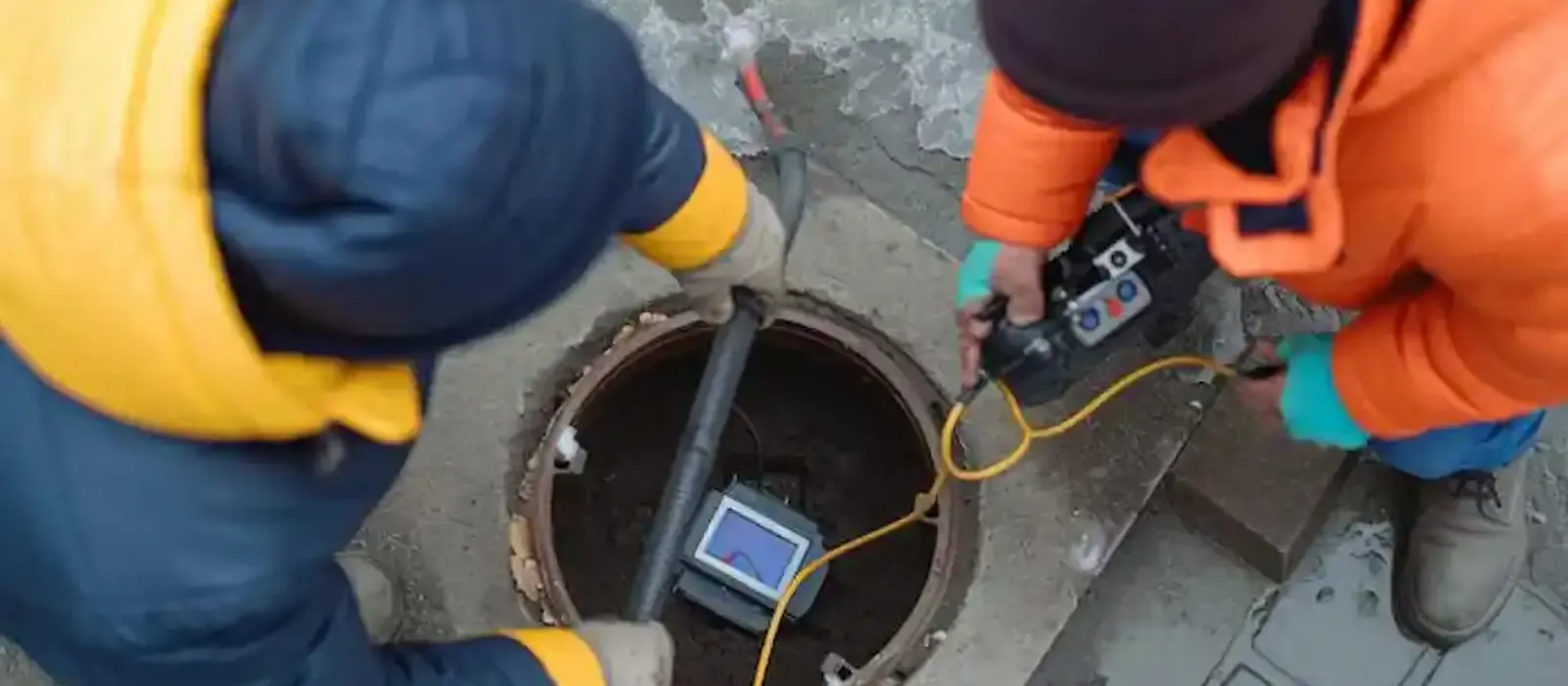
What a smoke test is and why plumbers run one
A plumbing smoke test in La Mesa, CA is a way to find leaks in drain, waste and vent pipes that you cannot see. A machine blows a non-toxic smoke through the system. Wherever the pipe is cracked, disconnected or open, the smoke leaks out and shows exactly where.
We use it when a house smells like sewer gas but nothing is visibly wrong. It is also used when a vent might be broken in an attic or wall, when a buyer wants proof the system is sound, or when a camera cannot reach the problem.
What the smoke can reveal
Cracked or loose vent pipes
Smoke curling out of the attic or roof line can mean a broken vent. Vents let drains breathe, and a broken one can cause gurgling and odors.
Missing or loose cleanout caps
A cleanout cap that sits loose in the yard shows up as a thin plume. It is a simple fix and a common source of outdoor sewer smell.
Dry or cracked traps
Smoke rising inside the home from a drain means a trap that has dried out or a cracked fitting. Running water in the fixture often closes the gap.
Failed joints in the drain line
Smoke surfacing in the ground along the line points at a separated joint or a hole, which may need a camera and then a repair.
Illegal or forgotten connections
Smoke can escape from places a drain should not be, such as an abandoned line or a bad tie-in.
What happens during the test
Prep the house
We ask you to run water in every sink, tub and floor drain so the traps are full. Full traps keep smoke out of the living space during the test.
Seal and connect
A technician plugs the ends of the line at the roof or cleanout and connects the smoke machine to a clean-out or vent opening.
Run the smoke
The blower sends smoke through the pipes at low pressure. The technician walks the house, attic and yard to watch for escaping smoke.
Mark and photograph
Every leak point is marked or photographed so you can see what the smoke showed. This helps with a repair plan or with a seller, buyer or inspector.
Review the results
We explain what was found, which leaks matter first and which ones can wait. A written price for repairs comes before any work.
How to get your house ready
Clear access to the attic hatch, the cleanout and any floor drains. Move stored boxes away from the plumbing wall in the garage. If a cleanout is buried under plants or gravel, tell us beforehand so we can plan for digging out the cap.
Pour a pitcher of water into rarely used drains such as a basement floor drain or a guest bath. A dry trap is the most common reason smoke enters a room, and it is a free fix that keeps the test clean.
Smoke test, camera inspection or both
No single tool finds everything. This table shows how the two methods differ.
| Question | Smoke test | Camera inspection |
|---|---|---|
| Best for | Vent and above-grade leaks, odors. | Blockages, cracks and roots inside the pipe. |
| Shows | Where smoke escapes. | Pipe condition, joints, belly. |
| Needs a clear path. | No | Yes, from a cleanout. |
| Good for sewer smell. | Yes, usually first choice. | Helpful if a line issue is suspected. |
| Good for slow drains. | Not really | Yes |
Many jobs use both. A smoke test may point to a damaged section, and a sewer camera inspection of the main line then shows the pipe itself.
Is the smoke safe to breathe
The smoke is made to be non-toxic and leaves no stain or residue. It has a smell, and people with asthma or lung conditions should leave the house during the test. Pets should go outside or to a room away from the work.
If you smell sewer gas on any other day, treat it seriously. Open windows and run water in rarely used drains. If the odor is strong, you feel dizzy or sick, or you smell gas that is not sewer, leave the building and call 911 or the gas utility before calling a plumber. Sewer gas is not something to sit with.
What changes the cost of a smoke test
We do not quote numbers in an article because each house is different. The real number comes as a written price before work starts. These are the things that move it.
Size and layout of the system
A small single-story home is quicker than a large two-story house with several bathrooms and a long vent run.
Access
Attic hatches, tight crawl spaces and a roof that has to be walked all add time.
Number of connection points
More cleanouts and vent stacks mean more sealing and checking.
Whether a report is needed
A sale or an inspector may need photographs and a written summary, which takes more time than a quick diagnosis.
Follow-up work
If leaks are found, the repair is a separate scope. Your insurer may cover sudden damage but often not gradual wear, so ask them.
What to do if smoke shows a leak
A loose cap or a dry trap is a small fix that may take minutes. A cracked vent or a broken joint is a plumbing repair, and a failed section underground may call for a spot repair or replacement of the cracked sewer line.
Do not dig on your own to chase a smoke plume. Buried lines can run near gas, power and water. Mark the spot with a flag, take a photo, and let the plumber confirm the location before any trenching.
If you rent, tell your landlord about a persistent sewer smell and ask who arranges the test. If your home sits in Lemon Grove or El Cajon, we can schedule a visit on the same line and explain the findings in plain terms.
What La Mesa homeowners should know
A smoke test or camera job may find a defect in the lateral that serves your house, but who pays depends on which part of the line is public and which is private. Before you assign responsibility, ask the City of La Mesa which part of the sewer line is public. The City's main line is 619-463-6611.
Have your address ready and ask what portion is yours. Write down the answer with the date and the name of the person who gave it. That note is useful for your plumber, your insurer and any neighbor whose line shares the connection.
Sources used: City of La Mesa main line information, general plumbing practice. Plumbing work in California follows the California Plumbing Code, which is based on the Uniform Plumbing Code (UPC).
Quick answers
Most houses need under an hour of smoke time, plus setup and a walk-through. Large homes, tight attics and long vent runs take longer. The technician will tell you the plan before starting and explain what the smoke showed afterward.
The smoke is not from combustion, but a dense plume near a detector can set it off. We suggest telling everyone in the home and, if needed, covering a detector briefly. Remove covers when the test ends.
No. It shows leaks and openings, not blockages. A clogged drain needs a cable, a jet or a camera. Smoke can help if a blocked vent is the cause, since smoke will not travel through a plugged vent as it should.
An adult should be present for access to the attic, yard and cleanouts. Make sure someone can answer questions and sign off on the findings. If you rent, ask your landlord to approve the visit.
Call the City of La Mesa main line at 619-463-6611 and ask which part of the sewer line is public at your address. Do this before arguing about who owes a repair, then pass the answer to your plumber and landlord.